
A finely woven lounge and a hand-corded dining chair can both create a polished outdoor setting, yet they bring different character to a space. When comparing wicker vs rope outdoor furniture, the better choice is rarely about one material being superior. It comes down to the architecture of your home, the exposure of the setting, the level of comfort you want and how you intend to live outdoors.
For Australian homes, that decision also needs to account for strong UV exposure, heat, salt air and sudden summer rain. Understanding the differences in appearance, durability, comfort and maintenance can help you choose furniture that remains practical and inviting for years to come.
Wicker versus rope furniture: the visual difference
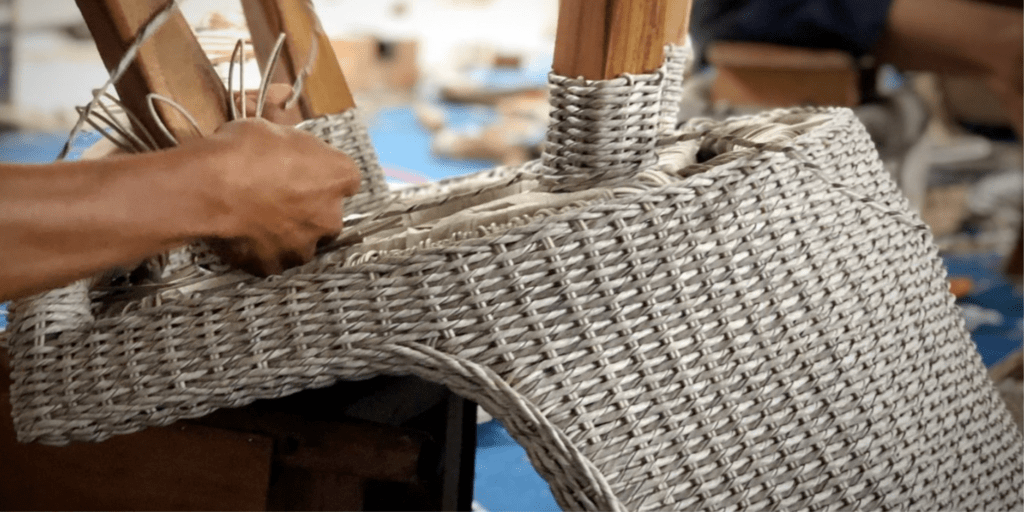
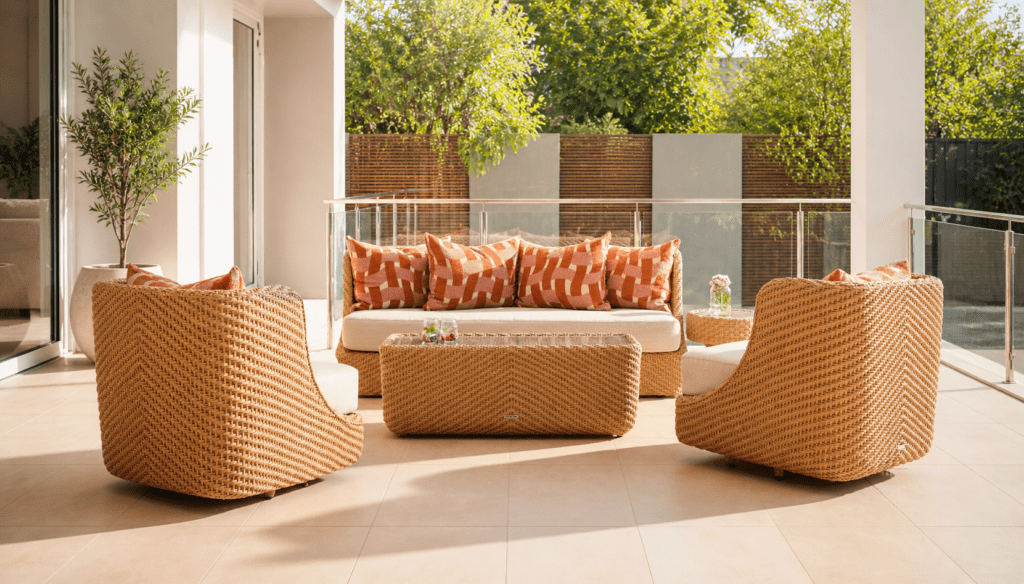
Wicker has an established, tailored presence. In contemporary outdoor furniture, the term generally refers to the weaving technique rather than a single material. Premium outdoor wicker typically uses synthetic fibres engineered for outdoor exposure, rather than traditional natural cane or rattan. The weave can be tightly worked for a crisp, architectural finish or given more texture for a softer, relaxed appearance.
Its appeal lies in visual depth. Wicker catches the light, creates shadow and gives substantial pieces such as modular lounges, occasional chairs and daybeds a sense of permanence. It works particularly well beside rendered walls, stone paving, timber decking and lush planting, where its layered texture can make a large outdoor area feel more inviting.
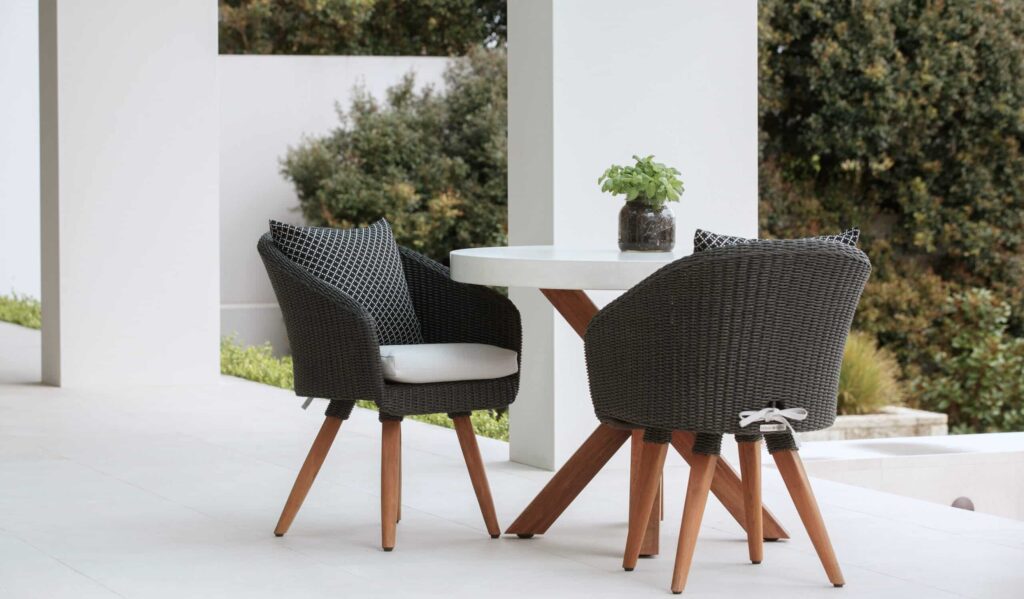
Rope furniture is generally lighter in appearance, even when the supporting structure is substantial. Outdoor rope is typically woven or wrapped to create open patterns and defined lines, giving the furniture a contemporary silhouette. It can be particularly effective in charcoal, taupe, stone or soft neutral colourways.
Where wicker tends to make a setting feel grounded and enveloping, rope introduces air and negative space. This makes it especially effective on balconies, compact terraces and poolside settings where you want furniture to feel generous without appearing visually heavy.
How each material feels to use
Comfort is shaped by more than cushions. The material around the seat, the angle of the back, the depth of the furniture and the flexibility of the weave all influence how long people will want to stay at the table or settle into a lounge.
Wicker furniture often feels substantial and enveloping. The woven structure can complement deep cushions, making it a natural choice for long-form lounging, family entertaining and daybeds designed for relaxed afternoons. It also creates a more enclosed profile, which can be welcome in expansive spaces that need a sense of intimacy.
Rope has a naturally tactile quality. Depending on its construction, a well-made rope backrest may offer some flexibility, making dining chairs and occasional seating comfortable without extensive cushioning. Open rope weaving can also allow greater airflow around the body, which may be appealing in hot Australian conditions. Fine rope work paired with tailored cushions can create a refined contemporary look.
Neither material should be judged by appearance alone. Sit in the furniture where possible and consider seat height, cushion support and whether the design suits the way your household entertains. A generous low lounge may be ideal by the pool, while a more upright dining chair may better support long meals and conversation.
Durability in Australian conditions
Material quality is where the distinction between premium outdoor furniture and short-lived alternatives becomes clear. Both wicker and rope can perform well outdoors, provided the fibres, construction and finishes are suited to their intended exposure.
Premium outdoor wicker uses synthetic fibres selected for their resistance to UV exposure, moisture and temperature changes. Osier Belle uses Rehau and Viro synthetic wicker, handwoven to create consistent patterns and finishes suited to outdoor living. Unlike natural rattan, these materials are designed for prolonged outdoor exposure, although regular cleaning and appropriate care remain important. The quality and tension of the weave are also worth inspecting, as loose or uneven weaving can affect the furniture’s appearance over time.
Outdoor rope is commonly made from solution-dyed acrylic, olefin or other technical fibres selected for colour retention and weather resistance. However, performance varies by product. Quality rope should maintain its tension and resist excessive fraying, while the weave pattern and attachment points should be suited to regular use. Some constructions may retain moisture longer than others, particularly in shaded locations with limited airflow.
For coastal homes, salt exposure deserves particular attention. Salt deposits can accumulate on woven surfaces and around furniture joints, making regular fresh-water rinsing a useful part of maintenance. In intensely sunny settings, UV-stable materials and appropriate protection during extended periods of non-use can help preserve the furniture’s appearance.
Neither wicker nor rope is entirely maintenance-free. The important distinction is choosing outdoor-grade materials with care requirements that suit your location and lifestyle.
Cleaning and maintenance expectations
Synthetic wicker is relatively straightforward to maintain, although dust and debris can collect between the strands. For Osier Belle’s handwoven wicker, use mild soapy water and a soft brush or sponge, paying attention to the intersections of the weave. Rinse with a normal garden hose and allow the furniture to air dry. Avoid pressure washing, abrasive cleaning products and harsh chemicals that may damage the surface.
Rope needs a slightly different approach because dust, sunscreen and airborne particles can settle between fibres. Cleaning methods depend on the rope material and manufacturer’s instructions, but gentle brushing and suitable mild cleaning solutions are commonly recommended. Allow the furniture to dry completely before covering it, particularly after wet weather.
Cushion construction deserves equal attention, particularly for furniture exposed to rain and strong sunlight. Osier Belle pairs Urecel QuickDry Foam with outdoor upholstery options including solution-dyed acrylic fabrics from Sunbrella, Agora and Dickson Constant. These materials are selected to support drainage, drying and colour retention in outdoor conditions. Many cushion covers are removable for cleaning, although care requirements vary by fabric.
Choosing for your space and architecture
The scale and style of the setting should guide your decision. Wicker’s fuller visual presence suits large entertaining zones, broad verandahs and landscaped areas where furniture needs to hold its own against stone, timber and substantial planting. It can also soften angular contemporary architecture, introducing texture without overwhelming the design.
Rope can complement spaces with strong linear architecture, glass balustrades or a restrained material palette. Its open construction helps preserve sightlines, which can be valuable on balconies with expansive views or beside pools where visual openness is important.
Colour is another useful consideration. Dark wicker can anchor pale limestone or travertine, while warmer woven tones complement timber and sandy coastal palettes. Rope offers opportunities for tonal layering, such as warm grey cord paired with pale cushions and complementary timber finishes.
The scale of the furniture matters just as much as its material. A substantial wicker modular lounge can work beautifully on a generous terrace, but may feel imposing in a narrow courtyard. Similarly, a compact rope setting may appear undersized against expansive architecture.
Where standard dimensions are unsuitable, Osier Belle’s made-to-order wicker furniture allows suitable designs to be adapted in size, configuration and finish. This can help achieve the right proportions for the space without compromising comfort or circulation.
Choosing between wicker and rope outdoor furniture
Wicker is well suited to outdoor settings that benefit from texture, visual substance and generous lounge seating. Rope offers a lighter appearance and a more open silhouette, making it appealing for compact terraces, balconies and contemporary spaces.
The quality of the materials, comfort of the seating and suitability for the Australian climate matter more than the material alone. Before deciding, compare samples alongside your home’s existing finishes and consider the level of maintenance each option requires.
For those drawn to wicker, Osier Belle’s handwoven outdoor furniture offers a range of weave styles, colours and made-to-order configurations. A design consultation can help you explore suitable options and select finishes that complement your outdoor space.
